3 Common Mistakes New Winemakers Should (and can!) Avoid


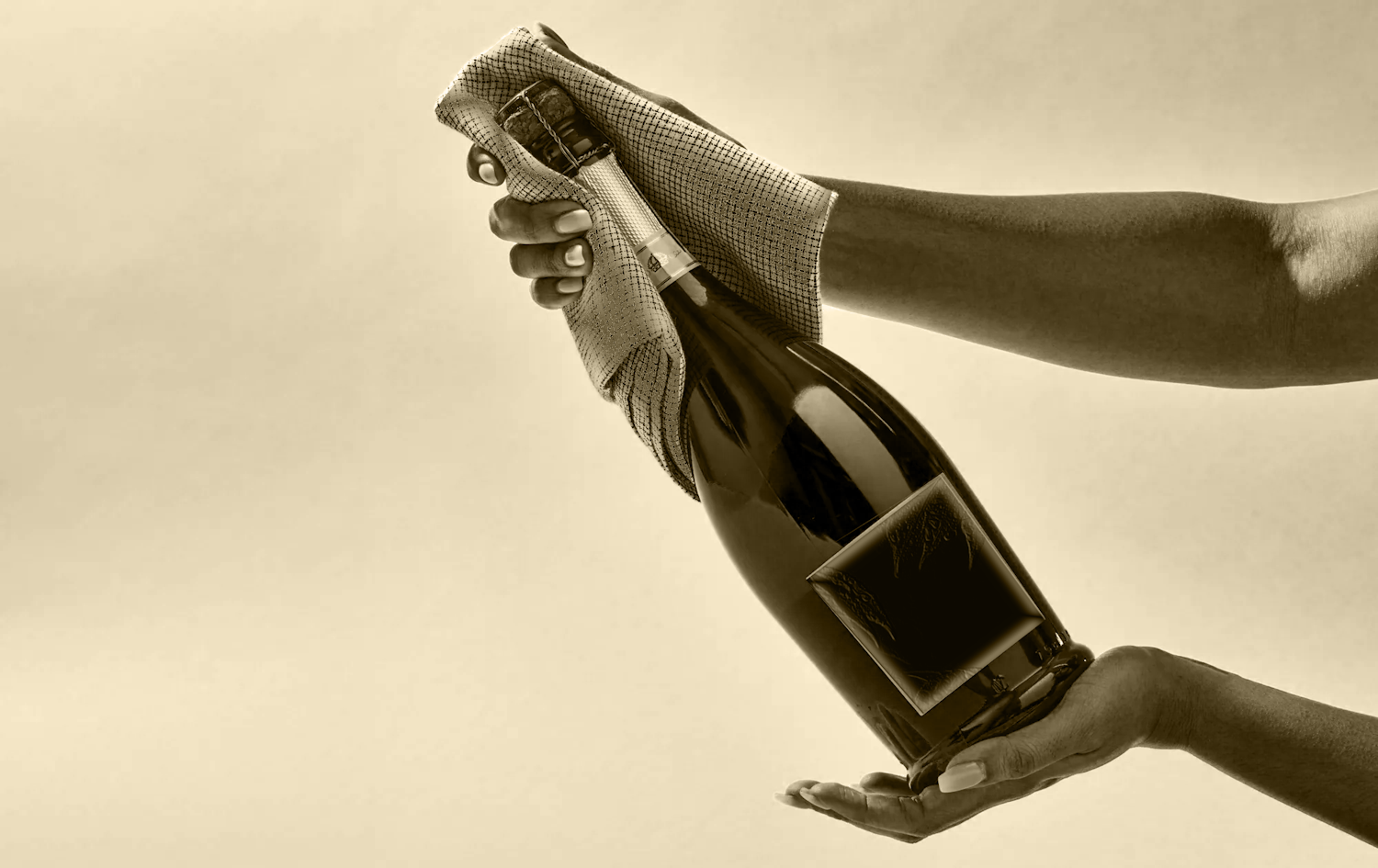
Winemaking, like any craft, comes with its own set of challenges. You live and you learn through things like exploding bottles, poor results, and rushing the process. Let's explore three common mistakes that new winemakers often make and learn how to avoid them.
Neglecting Sanitation
One of the most crucial aspects of successful winemaking is maintaining a sterile environment throughout the process. Neglecting sanitation can lead to contamination, ruining the flavor and quality of your wine.
Yes, it takes time to clean and sanitize all carboys, airlocks, and equipment. But this practice minimizes the risk of unwanted microorganisms interfering with fermentation. Investing in a good sanitizer – I like StarSan – and making cleanliness a priority is one of the best ways to ensure a great result.
Ignoring Temperature Control
Temperature plays a pivotal role in fermentation and aging. Many new winemakers overlook the importance of maintaining a consistent temperature during these stages. Fermenting at too high a temperature can result in off-flavors and aromas, while fermenting too low may lead to a slow or stuck fermentation. Similarly, proper storage temperature is crucial during aging to ensure the development of desirable characteristics.
I've found that the basement of my house maintains a consistent temperature of about 65 degrees Fahrenheit. This is perfect for long-term storage, but it's on the low end of the ideal temperature range for fermentation. For this reason, I typically store my carboys on the warmer main floor of the house during primary fermentation.
Of course, if you're making wine at home, the ability to move carboys up and down a staircase is entirely dependent on the size of those carboys, and how much weight you can safely carry. If you're stuck in a chilly basement, such as mine, for the entire winemaking process, a thermometer and a space heater can help overcome the cooler temps during primary fermentation and create optimal conditions for your wine at every stage.
Rushing the Aging Process
I say this repeatedly: winemaking is an exercise in patience. And many newcomers make the mistake of rushing the aging process. While it's tempting to sample your wine early – and some recipe kits will even encourage you to do so – aging allows flavors to mellow, tannins to soften, and a more harmonious flavor to develop.
Avoid the temptation to bottle and drink your wine prematurely; instead, let it age a few months before bottling. And then let it age a few more months to a few more years in the bottle.
Different wines have different aging requirements, so do your research and understand the optimal aging period for the type of wine you're making. Keep in mind that the reward for your patience will be a well-rounded and drinkable final product.
Embrace the learning process, stay vigilant in maintaining a clean environment, be mindful of temperatures, and practice patience throughout. With these considerations in mind, your home winemaking experience is more likely to be a satisfying and successful venture.
Cheers to the joy of crafting your own exceptional wines!