4 Types of Wine Ingredients and How to Use Them


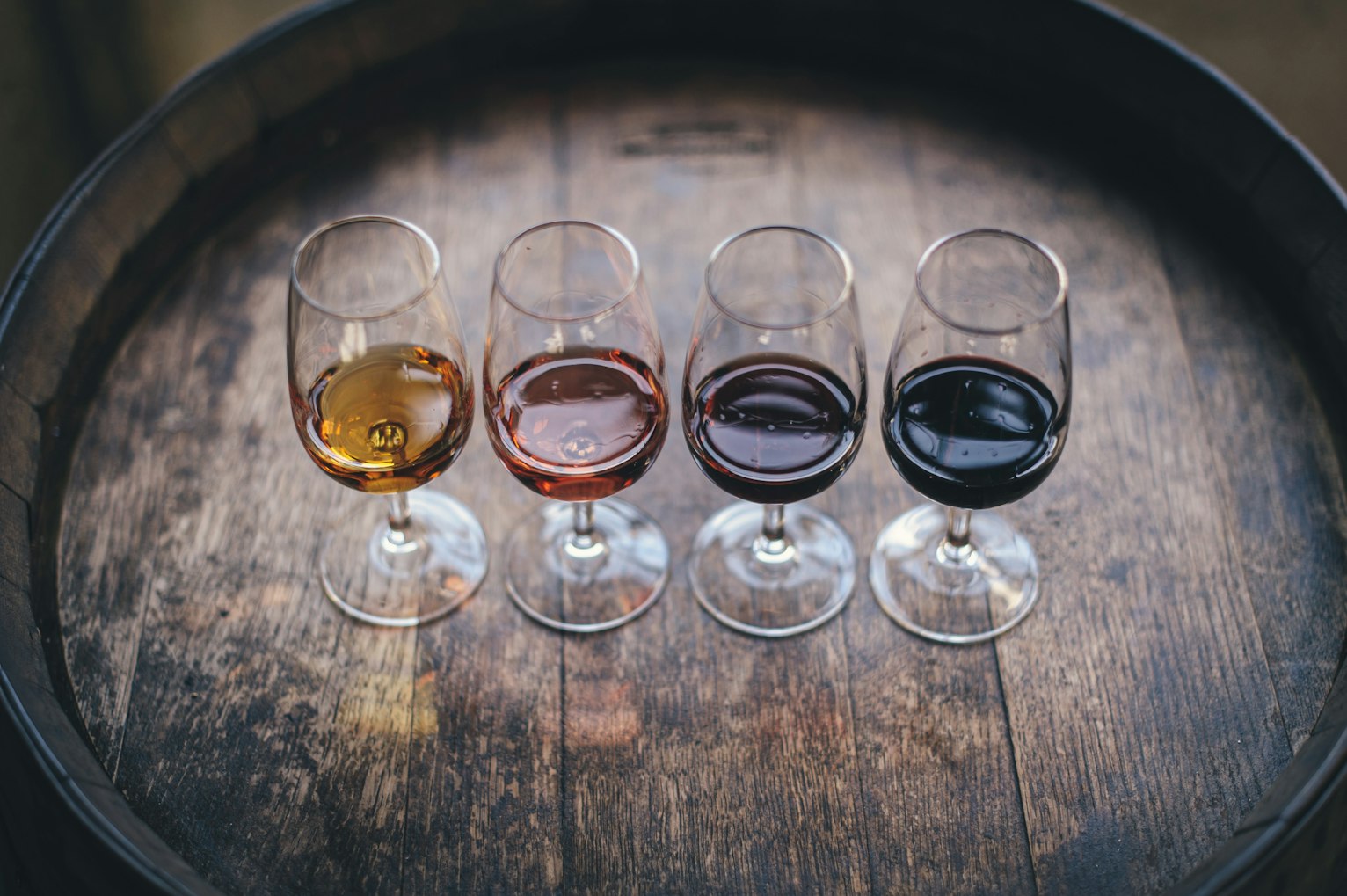
Here are 4 types of wine ingredients that most hobby winemakers have access to, along with some tips for working with each type.
Wine Ingredient Kits
Probably the easiest of all the options to start with, Wine Ingredient Kits come with everything you need to make a batch of wine. This includes the juice (grape or otherwise), wine yeast, stabilizers and other additives, like clearing agents. Also known as Wine Recipe Kits, these all-in-one starters come in many different varieties and can range in price quite dramatically, depending on the kit.
If you don't have a local winemaking supply shop, there are plenty of reputable companies online. A few we like are Midwest Supplies, Northern Brewer, Home Brew Ohio and Grape and Granary.
One thing I've found with online orders is that shipping is often NOT FREE, despite what websites claim. Liquids tend to be excluded from free shipping offers, so don't be surprised when you see charges of $25 or more for shipping added to cart, even if you've purchased enough to qualify for free shipping.
Also check out my post on the 3 Reasons Wine Recipe Kits are Wrong for a few extra tips.
Fruit Concentrates
These are often found listed along with Wine Ingredient Kits on wine supply websites; however, there are a few distinctions. Concentrates come in a 1 gallon plastic jug or can and contain only the concentrated fruit liquid. They are often less expensive than Wine Ingredient Kits, but they don't include wine yeast or other additives. They may also be referred to as Fruit Purees or Fruit Bases.
Some suppliers offer grape concentrates, but you'll also find a variety of other fruit options like Black Raspberry, Pomegranate and Mango.
With 1 gallon of concentrate you can make up to 5 gallons of wine, depending on how strong you want the flavor and the alcohol content. This takes a lot of experimentation, but the general idea is to mix the concentrate with enough water to get the starting gravity where you want it. I find that my results are best when I aim for about 3 gallons of wine from a 1 gallon container of concentrate. But this is entirely up to the winemaker, and there's no wrong calculation if you're happy with the results!
Similar to Wine Ingredient Kits, these liquids may not qualify for free shipping on wine supply websites.
Also, don't forget to have wine yeast, stabilizers and clearing agents on hand, as these don't come standard with concentrates.
Fresh Grapes or Fruit
If you have access to a large enough quantity of fresh grapes, or like me, you have a yard full of wild berries, you'll definitely want to experiment with this option.
Making wine from fresh ingredients is more time consuming than using ready-to-go options, like Kits or Concentrates, but it's also very rewarding. I love being able to say I made wine from the free and plentiful red raspberries growing around my property.
If you're making wine from fresh fruit, there are a few critical things to keep in mind:
The juices extracted from fresh fruit may benefit from treatment with Campden tablets, a sulfite that stabilizes juice by preventing any wild yeast from starting a fermentation.
Consider adding Peptic Enzyme powder prior to fermentation to help prevent fruit haze in the finished product.
You may need to add sugar or simple syrup prior to fermentation to get the starting gravity you want. Some fresh fruit juices do not have enough natural sugar to create higher than 6-8% final ABV. If you're hoping to finish higher than that, additional sugar is needed.
Unlike Kits or Concentrates, which produce pretty consistent results, the results from fresh fruit or grapes can vary from year to year, due to a lot of factors, from weather to your own processes to how much fruit is available. When I started experimenting with wild berries, I was surprised at how much fruit it took to make a decent-flavored berry wine. After a couple seasons of weak, watery results from my red raspberries, I found that I got a much better finished product by doubling the amount of fruit per gallon.
Bottled Juice
A cheap and easy way to get started, making wine from bottled juice is as simple as a visit to the grocery store. In fact, one of my favorites is the Grapefruit wine I make from Ocean Spray Grapefruit juice. I've also used Concord Grape, Apple and Cherry Berry right from the grocery store shelf.
For 1 gallon of wine, I typically start with 3 60oz. bottles and add enough sugar or simple syrup to get the starting gravity where I want it.
Look for bottled juice that's labeled "100% juice". Anything labeled "juice cocktail" may contain ingredients you don't want, like Potassium Sorbate, that could prevent the juice from fermenting properly.