It's Berry Season


A couple years ago we bought a home on 3 acres, tucked away from the main road, and surrounded by farmer's fields and forested areas. Along the edge of those tree lines are all sorts of wild berries, and they are perfect for making a good country wine, mostly because they're free! And they're plentiful enough to get a few gallons of each type, if you're willing to put in the time to pick them.
Berries in our region have a defined season, and they produce throughout, not all at once. What that means is many, MANY days of picking a quart or so at a time. From early June to the end of July, sometimes early August, I'm picking berries more days than I'm not. It's relaxing, and I look forward to it, but it's a lot of effort.


This spring I started working smarter and moved a few berry plants from hard-to-reach areas into a designated berry patch in the yard that we can mow and trim around. It was definitely a time-saver, and I was fortunate that most of the plants survived the move. Since wild berry plants are tough little guys and propagate themselves pretty well, I may not have to repeat that process every spring. Yea, I still have to put on my boots and bug spray and venture back into the brush to get enough of any one kind of berry for a gallon or two of wine. But, hey, it's summer. I was gonna need the bug spray anyway.
Here's some info about the berries in our area that you can probably find all over Pennsylvania, if you're willing to look.
Mulberries
Timeframe: early-mid June. Mulberries are a little different than the other berries I use in wines, because they grow on trees. I wouldn't be able to harvest enough of them without some way to get up, well, into the trees. And these are not climbable trees - they're tall and narrow without substantial lower branches. We use a tractor with a bucket attachment to lift me up to a comfortable height where I can reach as many mulberries as possible.
Black Raspberries
Timeframe: mid-June to early July. Black Raspberries are some of the most time consuming to pick, because they're the least plentiful around here, although moving them into larger patches definitely helped. They stay low to the ground and sometimes get covered by other plants and shrubs. The vines are chalky-reddish colored, easy to spot in the winter, but easily concealed by anything that grows taller than they do. They continue producing well into July, but the berries are dry and smaller than what you get in June.
Red Raspberries
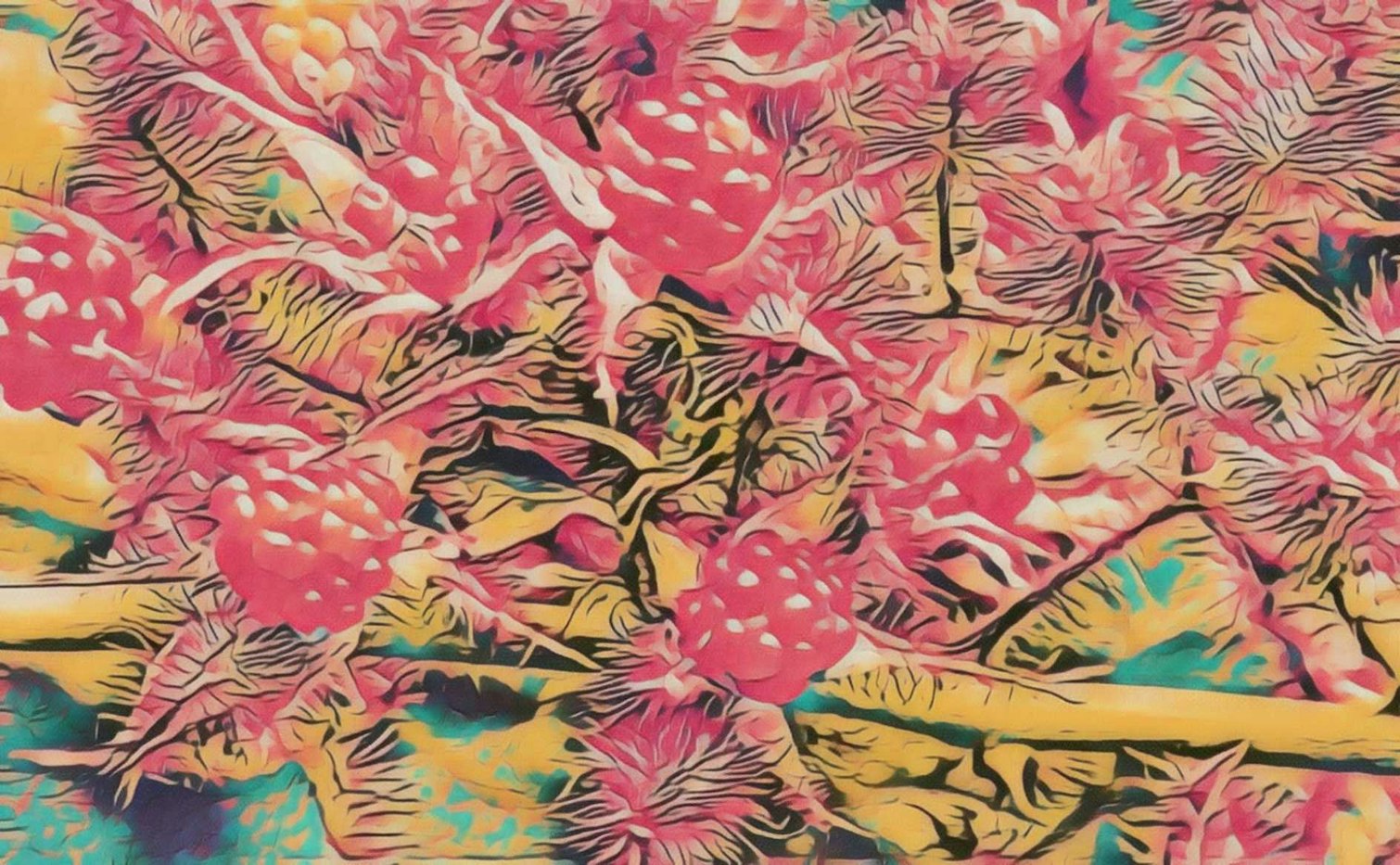
Timeframe: July. Red Raspberries (pictured above) are really plentiful around our house. They're easy to spot, with their red, fuzzy vines and little pods that pop open a few weeks before the berries ripen. And they're sticky. But the sticky washes off. I like to wait until they're a deep red color before picking them. Both the vines and the fruit are larger in size than Black Raspberries but not quite as sweet.
Blackberries
Timeframe: late July, possibly into August. Blackberries grow on large, tall-ish bushes with fruit that's larger and more elongated than raspberries. I'm excited to try a wild blackberry wine this summer, after having mixed results with a blackberry puree I purchased from a wine ingredient supplier. Fortunately, we own some mountain property that is literally covered in blackberries. I'm sure a blackberry wine recipe will be posted here in the future.
Here's my general berry wine recipe that works well for most berry varieties:
Happy picking!