Getting Started with Wine Equipment Kits


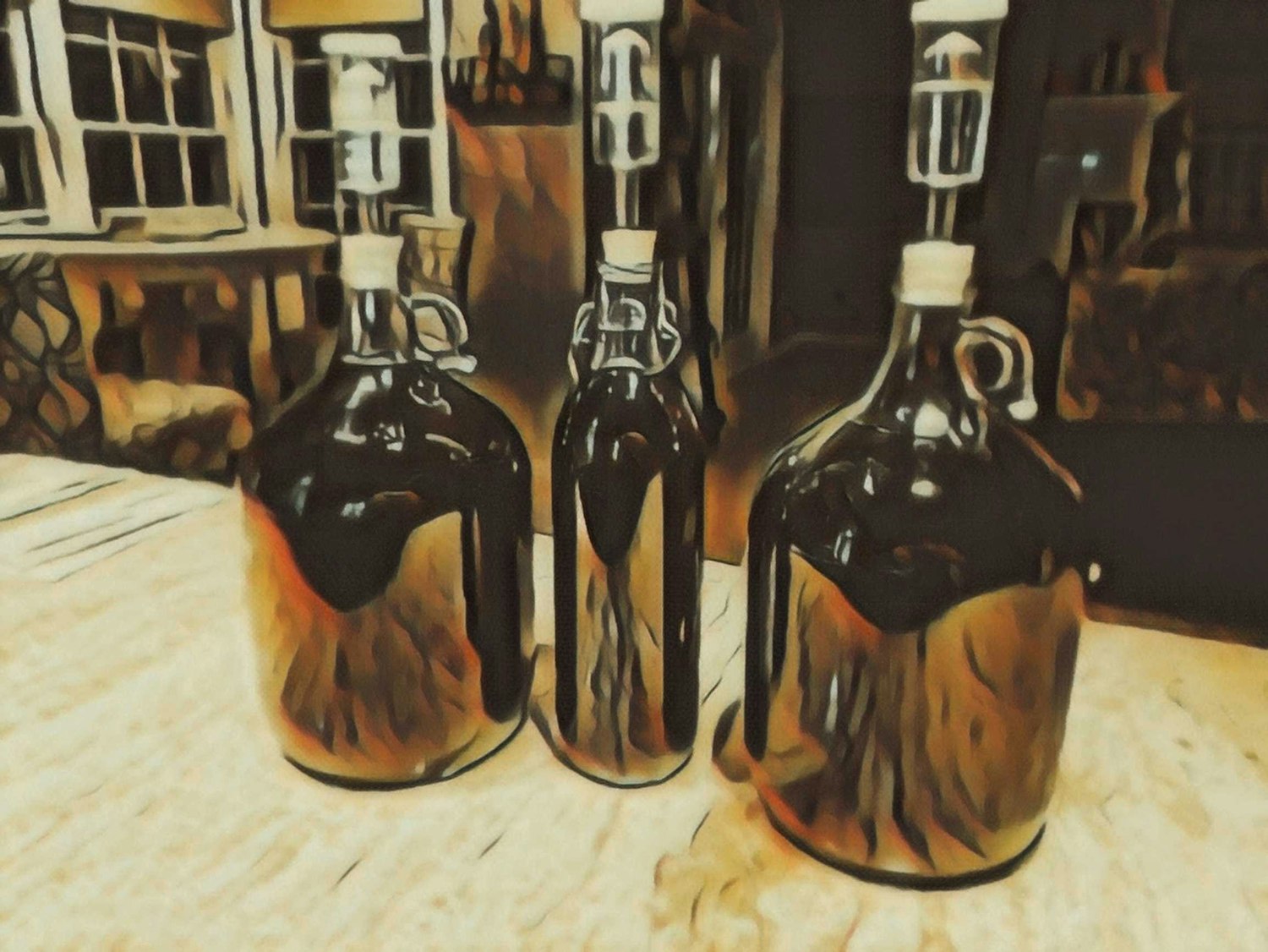
Starting a new project or hobby can be intimidating, especially when it involves creating something that you - and likely your friends and family - will eat or drink. Also, you may not be sure what types of wine you want to make.
I like the combination of these two starter kits, because between the two of them, you get most of what you need to begin making wine immediately. As of the writing of this post, the kit configurations are such that you'll get two hydrometers, but together each kit makes up for what the other lacks.
Master Vintner Fresh Harvest Fruit Winemaking Kit - In addition to primary and secondary fermentation containers, this kit includes regular-size bottles of various wine-making additives - peptic enzyme, yeast nutrient, acid blend, etc. - which you'll be able to use for multiple batches of wine. It also has a straining bag, since it's tailored for fresh fruit (not just juice). It does not come with any fruit, although you can separately order a fruit base to get started.
Master Vintner Small Batch Wine Kit - This kit comes with primary/secondary fermentation containers and also includes a measuring tube for the hydrometer, wine thief, and a few corks and a corker. With this kit you choose a recipe for a traditional grape wine. The grape wine starter base, yeast, and necessary additives for one batch of wine come with the kit. One of the most helpful additions to this kit is the very detailed instruction sheet.
If you purchase both kits, you'll end up with all of these necessities: siphoning tubes, a bottle filler, bungs/lids, multiple packets of sanitizing powder mix, airlocks, a short wine-making guide.
Some other items you will eventually want/need to purchase as you continue making more wine:
Some type of sanitizer, like Star San. You'll get enough powdered sanitizer with the kits for your first two batches or so, but you'll soon need more.
Sugar
A better corker
Yeast. You'll get enough in the kits for your first few batches, but you'll eventually need more.
Bottles and more corks
Additional glass carboys for racking, especially if you are brewing multiple batches of wine at the same time.