My First Explosion


Everyone said it would happen. And it did. Fortunately for me, it was less of an explosion and more of a spill.
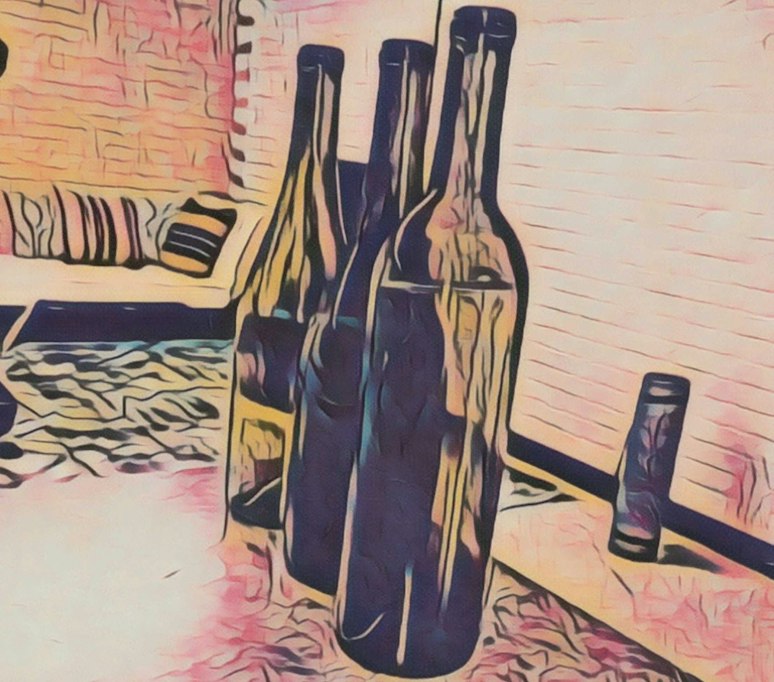
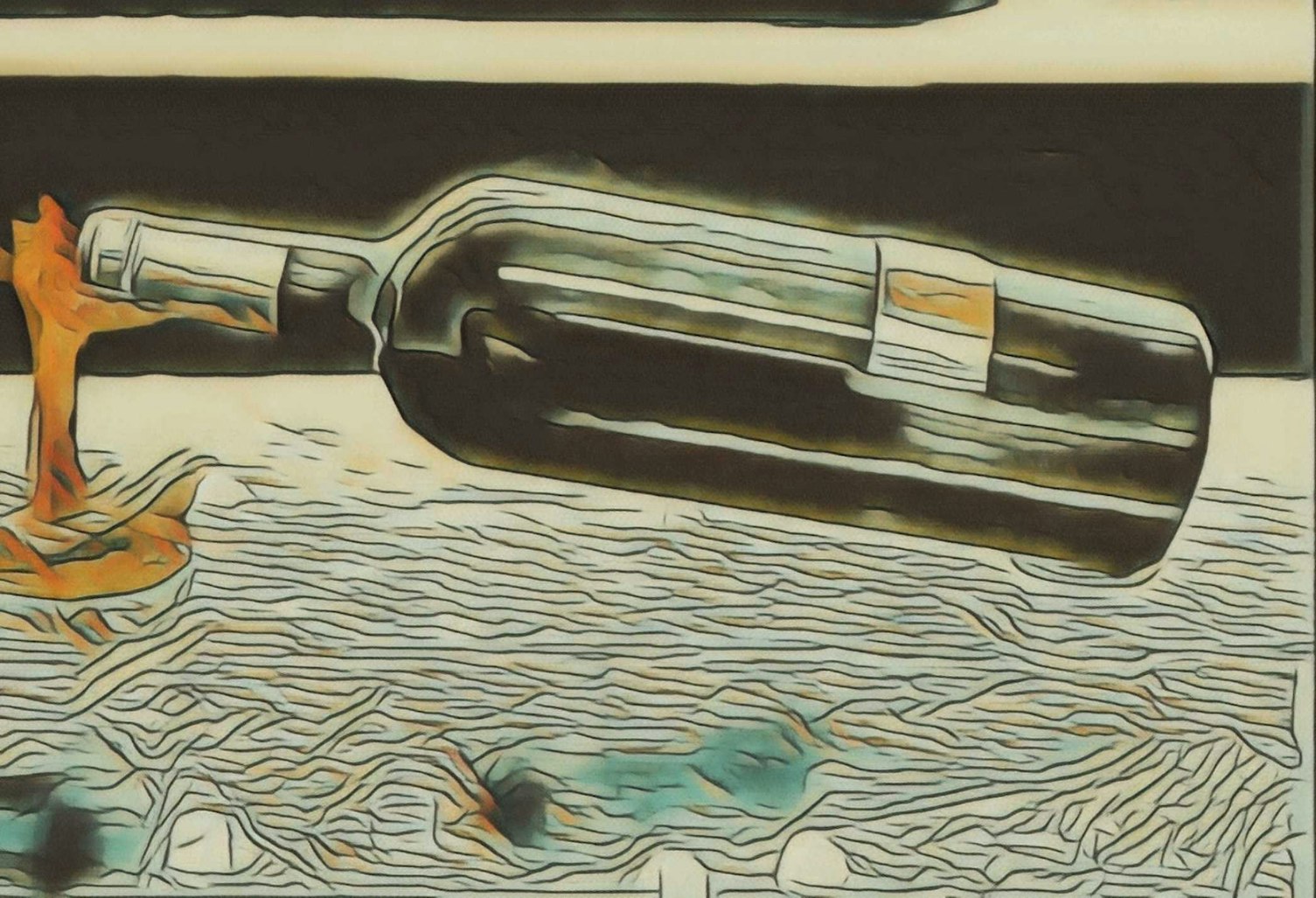
Two out of four bottles of Mulberry wine popped their corks roughly ten days after bottling. It made enough of a mess, but nothing disastrous, just a puddle of lovely burgandy liquid that was mostly soaked up by a small rug in the basement. But as I investigated the aftermath, I was plagued by an unsettling question: what was going to happen to the two remaining bottles from that batch.
I very cautiously removed the remaining bottles from the rack, all along imagining one of them exploding in my hand. Both corks seemed secure; neither had begun to work its way out. But the underside of both bottles (the side that had been facing down in the rack) was covered in the familiar sediment of an active fermentation. It was not the kind of sediment found in my other bottled wine, which was minimal and wine-colored. This sediment was thick and brownish. Not good.
Speculating what went wrong wasn't necessary. I already knew what happened: I changed something in my process.
Many home winemakers have a nice stock of product from years of brewing, and when it's time to top a new wine after racking, they use a similar, finished wine. Somewhere in the future, I expect to have a stock of bottled wine to pull from, but until then... I've been topping with water, and occasionally a fruit juice.
Juice in a bottle from the grocery store hasn't created a problem, but when it was time to top my mulberry wine, I tried using juice from the extra mulberries I had frozen during the spring harvest - which might have been OK, except that I topped off a week prior to bottling when I was in the clearing stage. I suspect that even though the mulberries had been frozen for several weeks, an active fermentation began while still in the carboy, perhaps from a wild yeast. At bottling, I added a campden and potassium sorbate, but neither will necessarily halt an active fermentation.
When I popped the corks of the two remaining bottles of mulberry wine, it was like uncorking a champagne bottle. I had created a sparkling wine, which was barely drinkable due to a bitter, almost metallic, aftertaste.
Wine making is certainly a process of trials and errors, successes and failures. And although I lost my entire batch of mulberry, which cannot be replenished until next spring, I learned something along the way.
We call this progress, not perfection.