Can You Reuse Empty Wine Bottles?


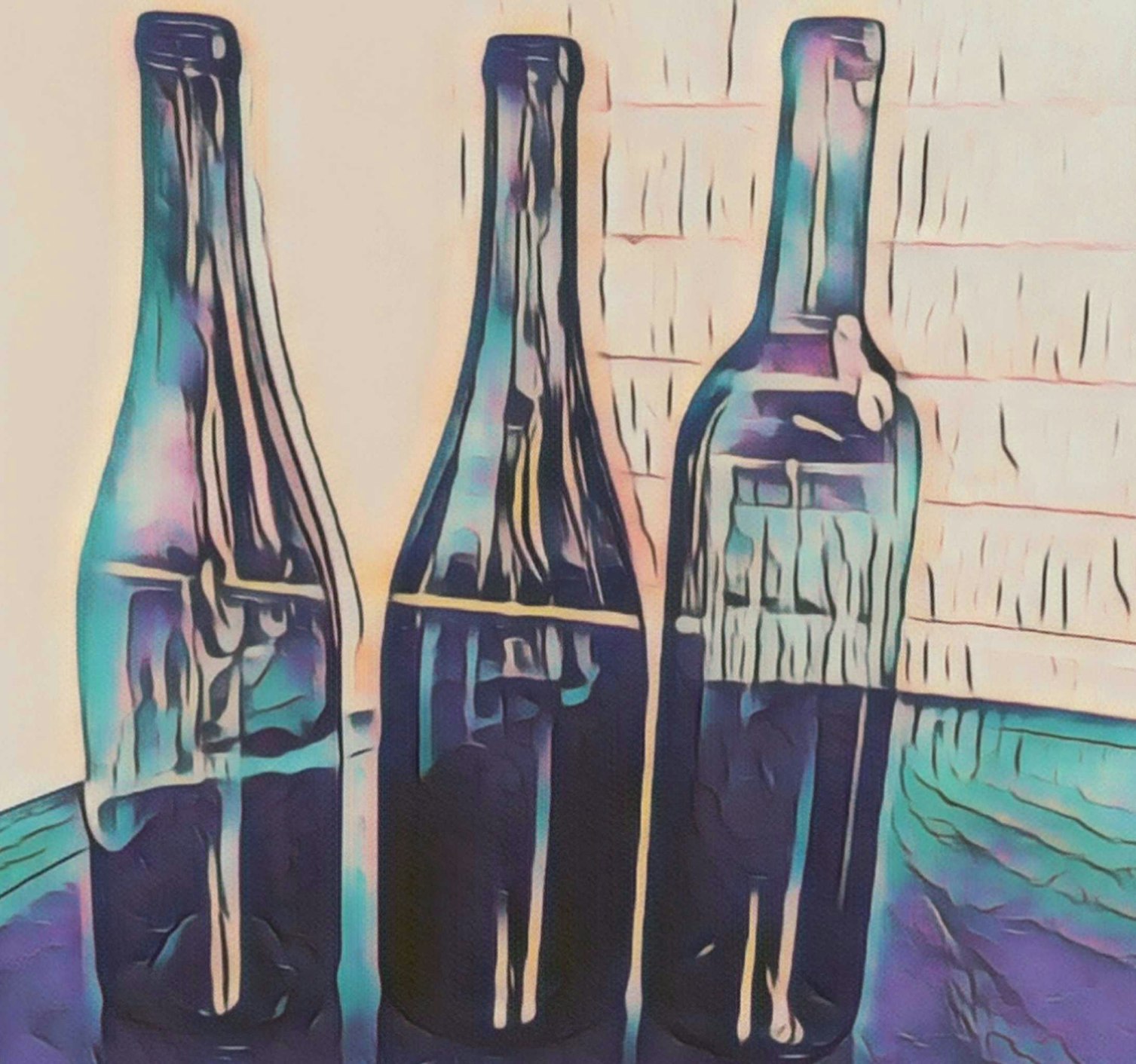
What do you do with a wine bottle when it’s empty? Most people toss it, or recycle it, if glass recycling is available. But as a hobby winemaker, I have another option.
I don’t operate a commercial winery or sell wine for profit. If you’re like me—making wine for personal enjoyment, friends, and family—there’s no reason to buy new bottles every time you’re ready to bottle a fresh batch.
Glass wine bottles are generally safe to reuse if you take the time to clean them properly. While cleaning and sanitizing bottles can be tedious, it’s straightforward, saves money, and lets you reuse bottles multiple times, as long as they’re not damaged or badly stained.
Exceptions
There are two types of bottles I don’t reuse:
Screw-top bottles (I only use corks)
Champagne bottles or bottles with non-standard cork sizes
Screw-top and champagne bottles typically have wider openings, and standard wine corks don’t always fit snugly. This can lead to air exposure or leakage, so I discard those bottles. That said, if you have a screw-on capper, screw-top bottles can be reused successfully.
My Recycling Process
After I empty a bottle of wine, I fill it with a few inches of warm water, shake it and rinse to remove any sediment. Then it goes into a storage cabinet where I keep a supply of rinsed, empty bottles.
When I’m ready to bottle my next batch, I pull bottles from the cabinet and follow this process to clean and sanitize them:
Inspect each bottle for cracks, stains, or other imperfections.
Discard any bottles that are chipped or badly stained. Some stains can be removed with a bottle brush, but if a stain doesn’t come out easily, I toss the bottle.
Soak bottles in hot water with dish soap for 10–15 minutes, turning them occasionally. This cleans the bottles and helps loosen labels.
Remove labels. I find a sharp razor blade works best. After soaking, most labels come off easily—but not always. If a label resists removal, I either soak it longer or discard the bottle.
Rinse each bottle thoroughly with warm, clear water to remove any soap residue.
Dry bottles using a drying rack or any method that allows them to sit upside down with good airflow.
Sanitize each bottle using a surface sanitizer. I mix the sanitizer, pour a small amount into each bottle, shake to coat all interior surfaces, and return the bottles to the drying rack until dry.
Bottling and Corking
Once bottles are cleaned and sanitized, they’re ready to be filled again. Always use new corks or screw tops—these should never be reused from one batch to the next.